Seeing Beyond the Visible Spectrum Changes How Data Is Captured
If you ever wondered how certain industries are able to detect what the human eye cannot see, the answer often lies in how imaging technology has evolved beyond the visible spectrum. Traditional cameras capture light that people can perceive, but there is an entire range of information hidden just outside that boundary. Short wavelength infrared imaging opens access to that hidden layer, revealing details that would otherwise remain invisible in standard conditions. Professionals exploring advanced imaging technology can visit https://www.swirvisionsystems.com/ for detailed insights.
What makes this technology stand out is its ability to work in environments where visibility is limited or inconsistent. Materials that appear identical under normal lighting can show clear differences when viewed through this type of imaging. Moisture content, structural variations, and even subtle defects can become easier to identify. This creates a more accurate understanding of what is being observed, which is especially valuable in fields where precision matters.
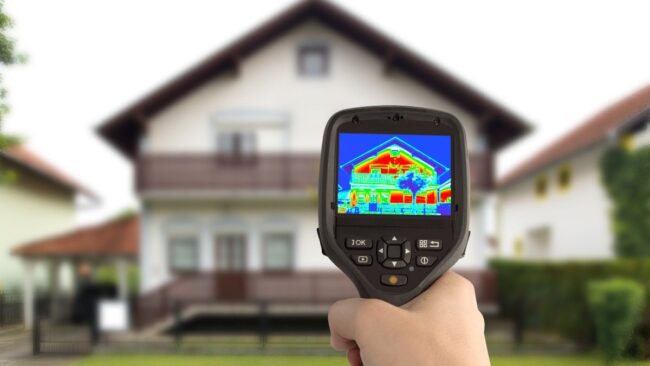
Another reason this approach continues to gain attention is its versatility. It is not limited to one specific use but extends across a wide range of applications. From industrial inspection to research environments, the ability to capture detailed data without altering the subject being analyzed makes a noticeable difference. Instead of relying on guesswork or destructive testing, professionals can gather insights while preserving the integrity of the material or object.
Clarity in challenging conditions is another key advantage. Environments with low light, haze, or certain atmospheric interference can reduce the effectiveness of standard imaging tools. Short wavelength infrared cameras are designed to overcome many of these limitations, providing clearer images when traditional systems fall short. This reliability allows users to maintain consistent results even when conditions are less than ideal.
As technology continues to advance, the integration of this type of imaging becomes more seamless. Improved sensitivity, faster processing, and enhanced resolution contribute to a more efficient workflow. Users are able to interpret data more quickly and make informed decisions with greater confidence. This shift not only improves accuracy but also saves time in processes that depend on detailed visual analysis.
Over time, the impact of these capabilities becomes evident in how industries approach detection and imaging. Instead of being limited by what can be seen with the naked eye, there is access to a deeper level of information that supports better outcomes. Whether it is identifying hidden inconsistencies or capturing data in complex environments, this technology continues to expand what is possible, offering a more complete view of the world beyond visible light.